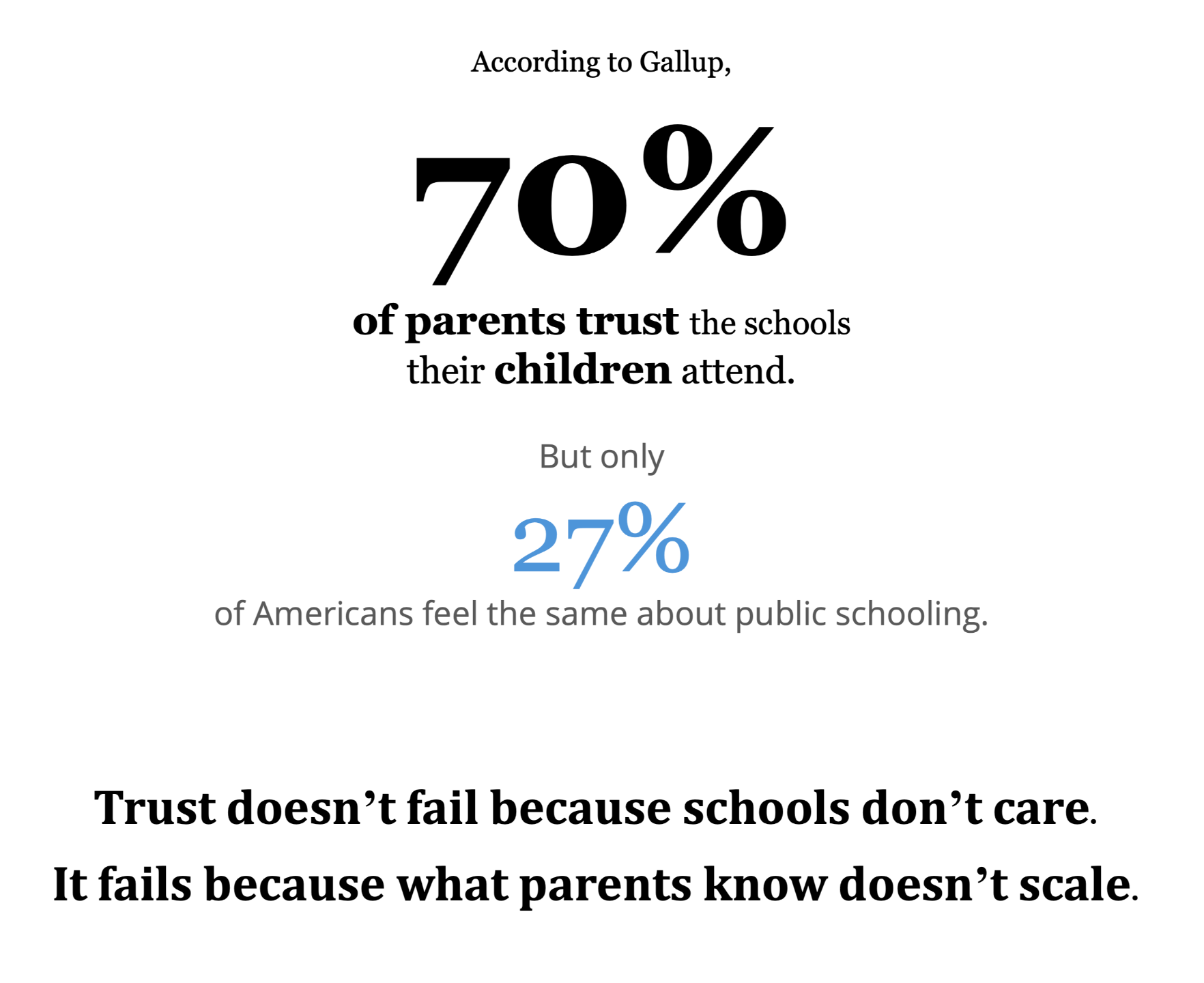
Doing trustworthy work is no guarantee it will be trusted
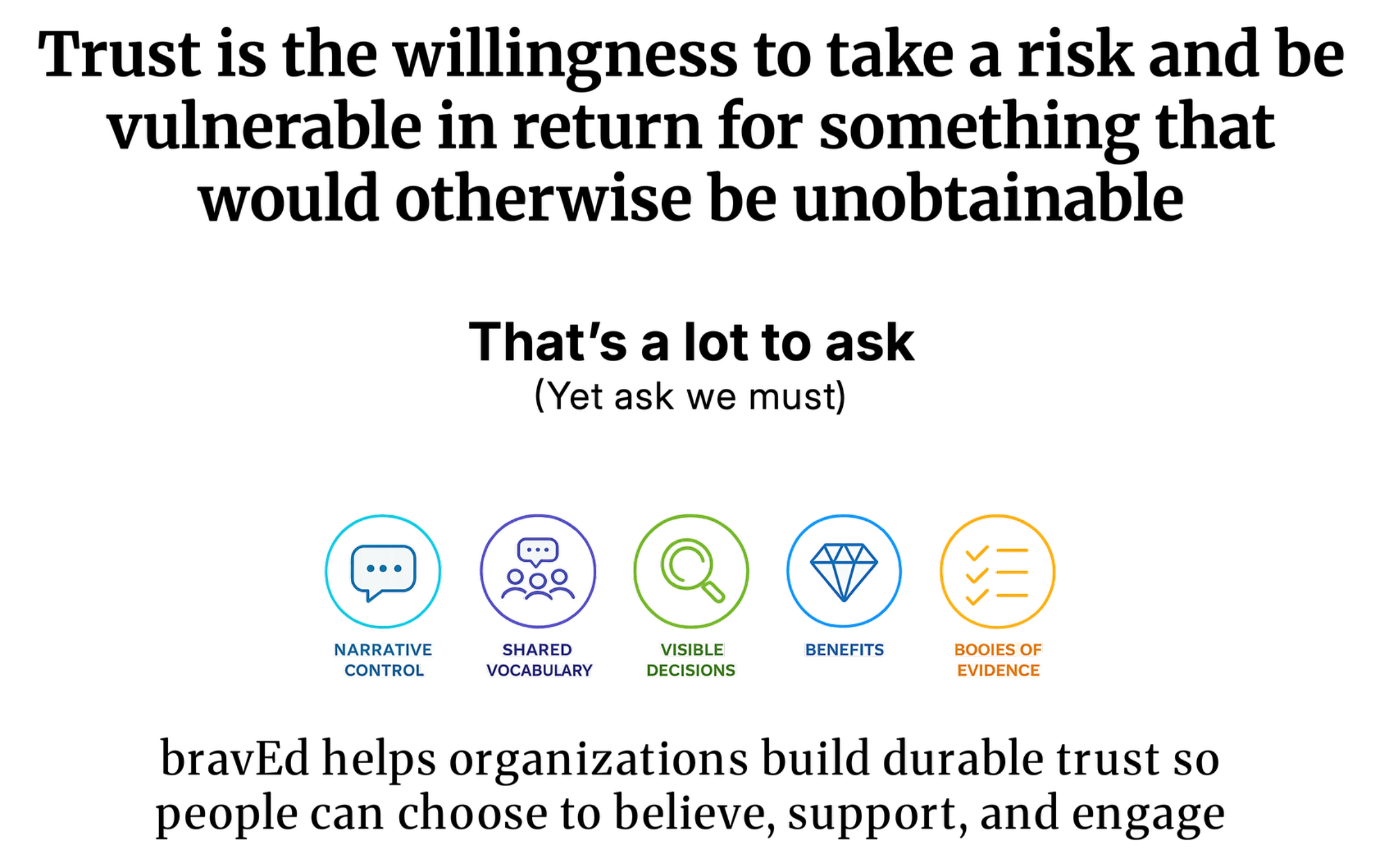
Any gap between doing trustworthy work and having it trusted is a problem, one that bravEd helps to solve. The right accountability is the key, especially for schools.
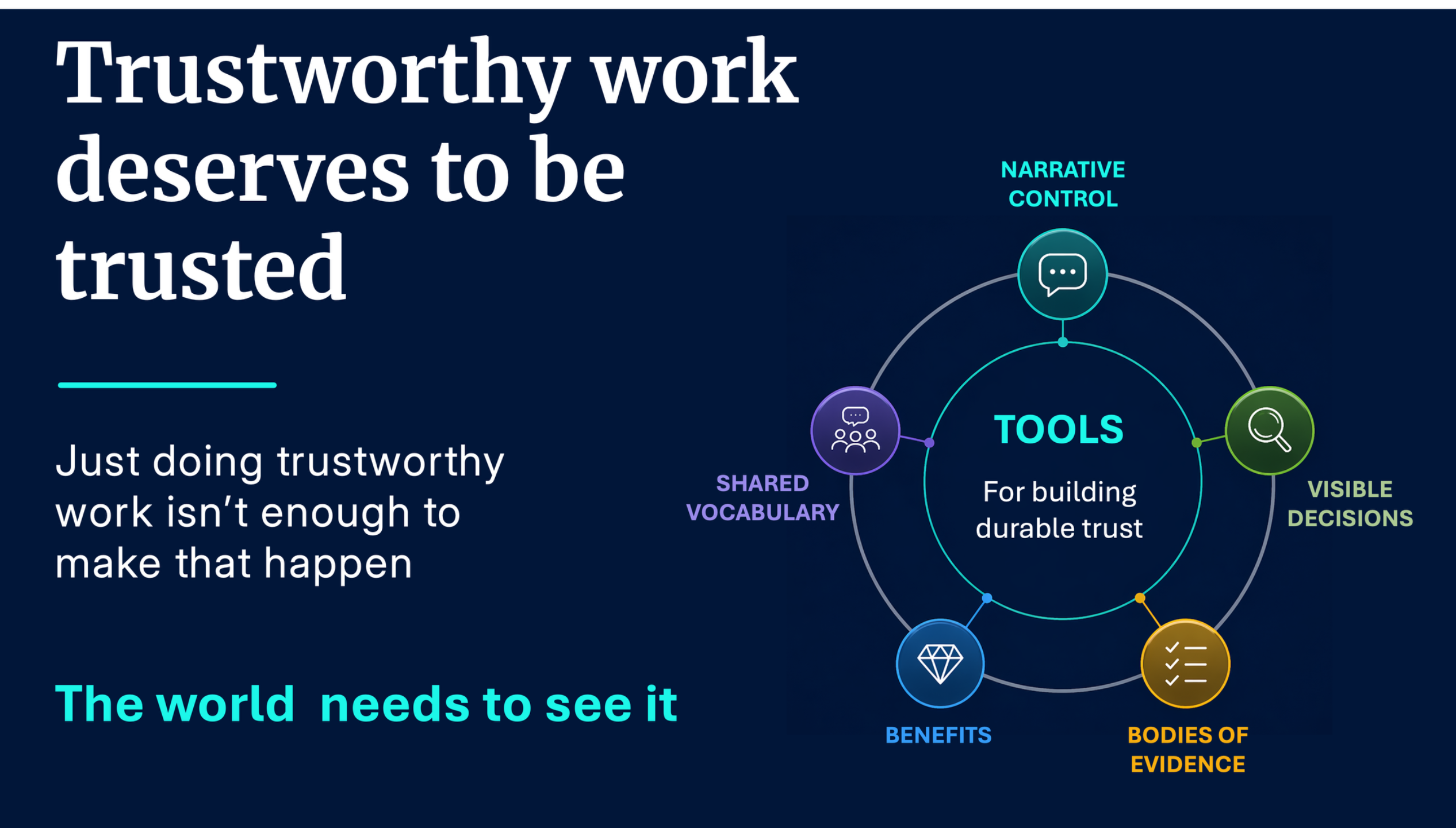
The gap is not about effort.
It’s about visibility.
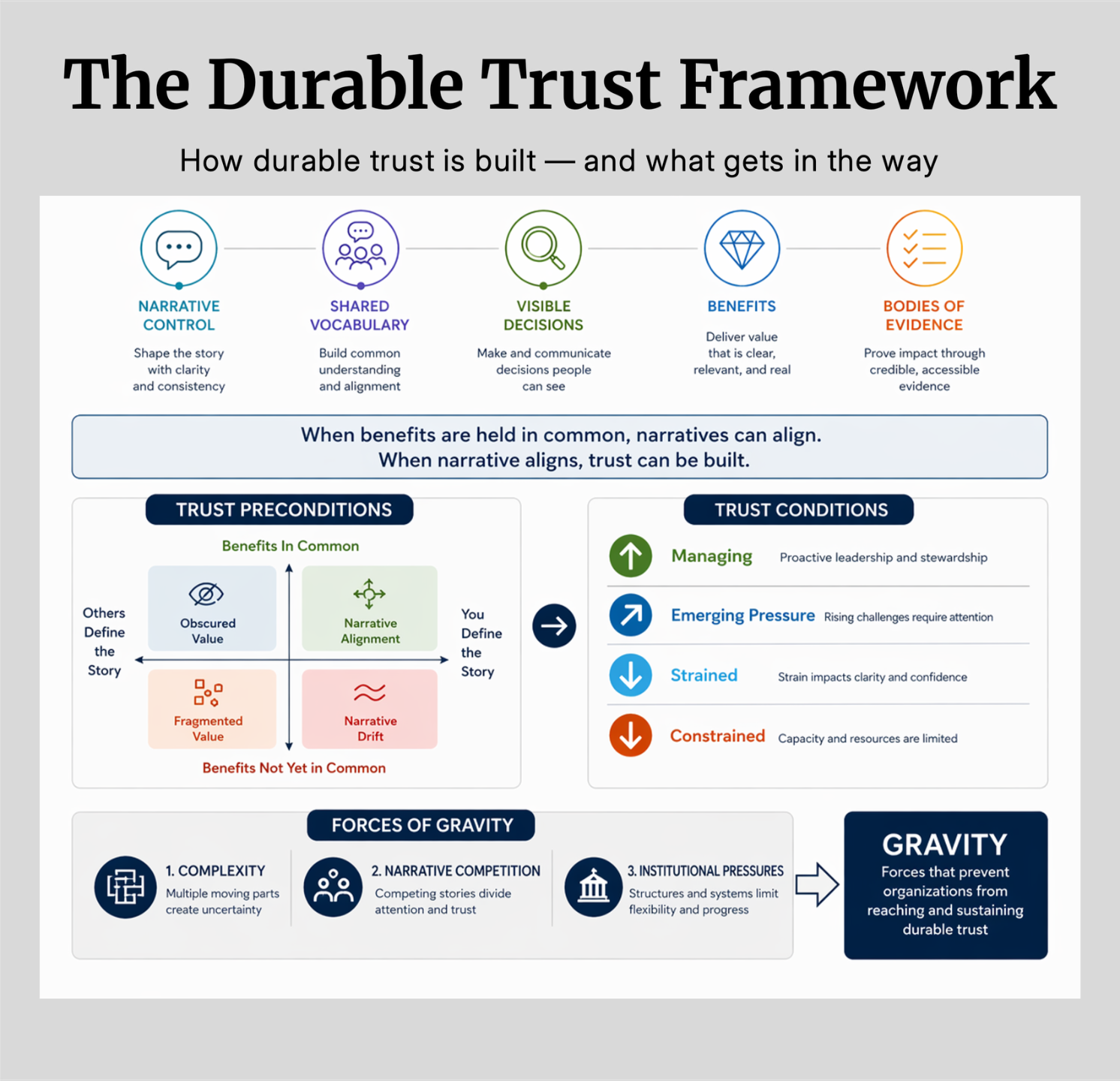
The bravEd frameworks help close that gap by making the benefits of schooling visible, understandable, and trustworthy. That way trust can grow — with or without standardized test scores.
What changes?
Before:
Compliance-Based Accountability
How school is explained:
✔ Technical language
✔ Compliance reports
What families hear:
✔ “Test scores are up/down”
✔ “We’re compliant (or not)”
Result:
✔ Distrust
✔ A story that doesn't travel
After:
Benefits-Based
Accountability
How school is explained:
✔ Shared language
✔ Narratives about meaningful work
What families hear:
✔ “This is what we are doing for your child”
✔ “Here is how you can see that”
Result:
✔ Trust
✔ Understanding that travels
Where are our schools effective, and where do they have challenges to work on?
Only one approach answers that question.
There are different ways to begin this work
This work meets you where you are

Build a foundation for building trust
For: Individuals and teams of educators interested in learning more about how to build trust in what they do.

Build an accountability system people understand
For: Educational leadership teams building out a new way to account for the things that matter to parents and communities.
Turn trust in education into a movement
For: Advocates interested in growing the trust in what our public schools do so that their work can have its full effect.
Why these matter
Building trust requires doing the work — and being able to account for it meaningfully. Each of these creates capacity to do that.
The difference this work makes
“A benefits-based accountability system
ensures that we align our efforts with what truly matters to our community. We‘re able to build trust, foster stronger relationships, and more effectively live out our vision.“
Dr. Jennifer Brown
Superintendent
Early County School System
Blakely, GA
“Our strategic plan and portrait of a graduate call on us
to account for a more comprehensive impact on student development. Benefits-Based accountability allows us to report progress to our stakeholders in a language that is easy for them to understand.”
Dr. Jim Lloyd
Superintendent
Olmsted Falls City Schools
Olmsted Falls, OH
What leaders often discover once they begin this work
“When I think about bravEd's work,
it reminds me of that Mickey Mantle quote, it’s unbelievable how much you don't know about a game you've been playing your whole life.’“
Dr. Jack Rice
Executive Director, The Maple League Of Universities Director, Wolfville, Nova Scotia